
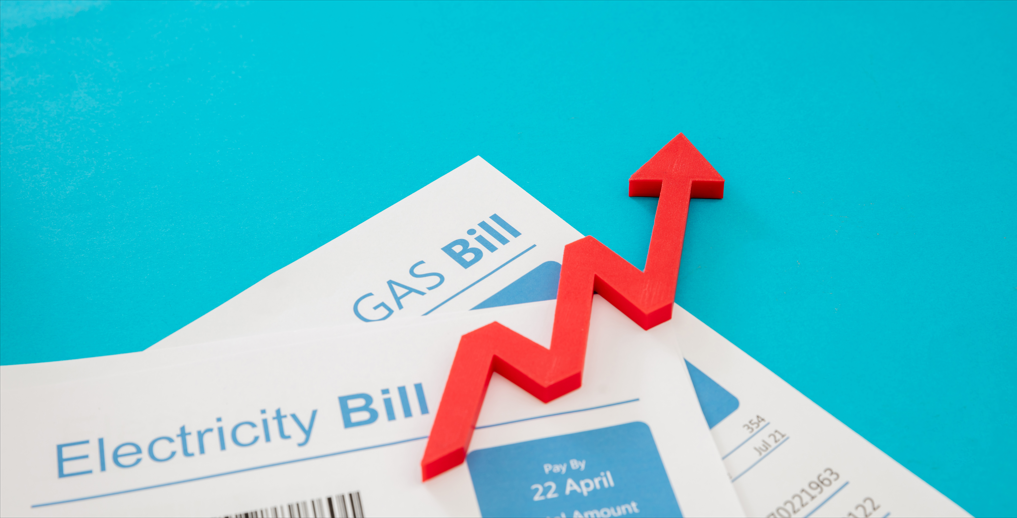
Why be held hostage to fluctuations in the energy market when efficiency solutions exist that can protect you against rising fuel costs?
Energy bills are expected to fall further than previously forecast later this year, easing the pressure on struggling households.
With the reduction in Government assistance for energy bills later this year, a typical household gas and electricity bill was forecast to rise from £2,500 a year to £3,000 a year in April.
However, the falling price of gas – a result of warmer weather and higher gas storage levels – means annual bills could fall below forecasts by Cornwall Insight. Earlier this year the energy consultancy suggested energy bills would settle at about £2,800 per year from this summer, However, finance firm Investec predicts customers will instead be paying closer to £2,480 a year.
But whether or not we experience a mild January and February, household bills will still be much higher than pre-pandemic levels.
The majority of UK households are on a variable or default gas and electricity tariff with the price per unit of energy capped – excluding Northern Ireland – by energy regulator Ofgem every three months.
Rising supply costs resulting from factors including the invasion of Ukraine were expected to leave a typical home with an energy bill of £4,280 a year from the start of January, before the government announced it would shoulder that cost with an Energy Price Guarantee.

“Stories of households choosing between eating and heating have shown us the destructive consequences of relying on old tech and questionable suppliers.
“The greater-than-expected involvement of households in January’s Demand Flexibility Service, which saw energy suppliers pay customers to use less electricity than usual on a Tuesday evening, tells us we are desperate to keep energy costs down. Technology and materials provide the real solution.”
Reducing your energy output is the surest way to keep your bills low. Other initiatives such as the Demand Flexibility Service, which involves energy suppliers paying customers a small bonus if they use less electricity than usual at a particular time.
But these are temporary solutions and small savings. Why not reduce your annual energy consumption instead of opting to use the microwave instead of the oven between 4pm and 7pm every Tuesday?
So why not take control of our heating solutions and mitigate the impact of these fluctuations in the energy market.
This will feed through to the government’s price cap, which sets a maximum limit that suppliers can charge households per unit of energy.
If the reduction bears out, rising £100 to a commonly forecast £2,550 in October, then the bill paid by 26 million households will be subject to Ofgem’s price cap rather than the Energy Price Guarantee.
That would ultimately mean a lower-than-expected cost to the government, and ultimately taxpayers.
Do you have a question about green property investment? Get in touch at info@thegreenlandlady.com